
Archiving as design practice
From Paris to New York, how Brut Archives studies garments

I tend to trust brands more when they embrace their references. There’s obviously a marketing side to the connoisseur stance, but when it’s sincere, really understanding where things come from usually prevents the work from drifting.
One example I keep coming back to lately is Brut Archives, a Parisian brand built around the reinterpretation of vintage garments, grounded in years of studying.
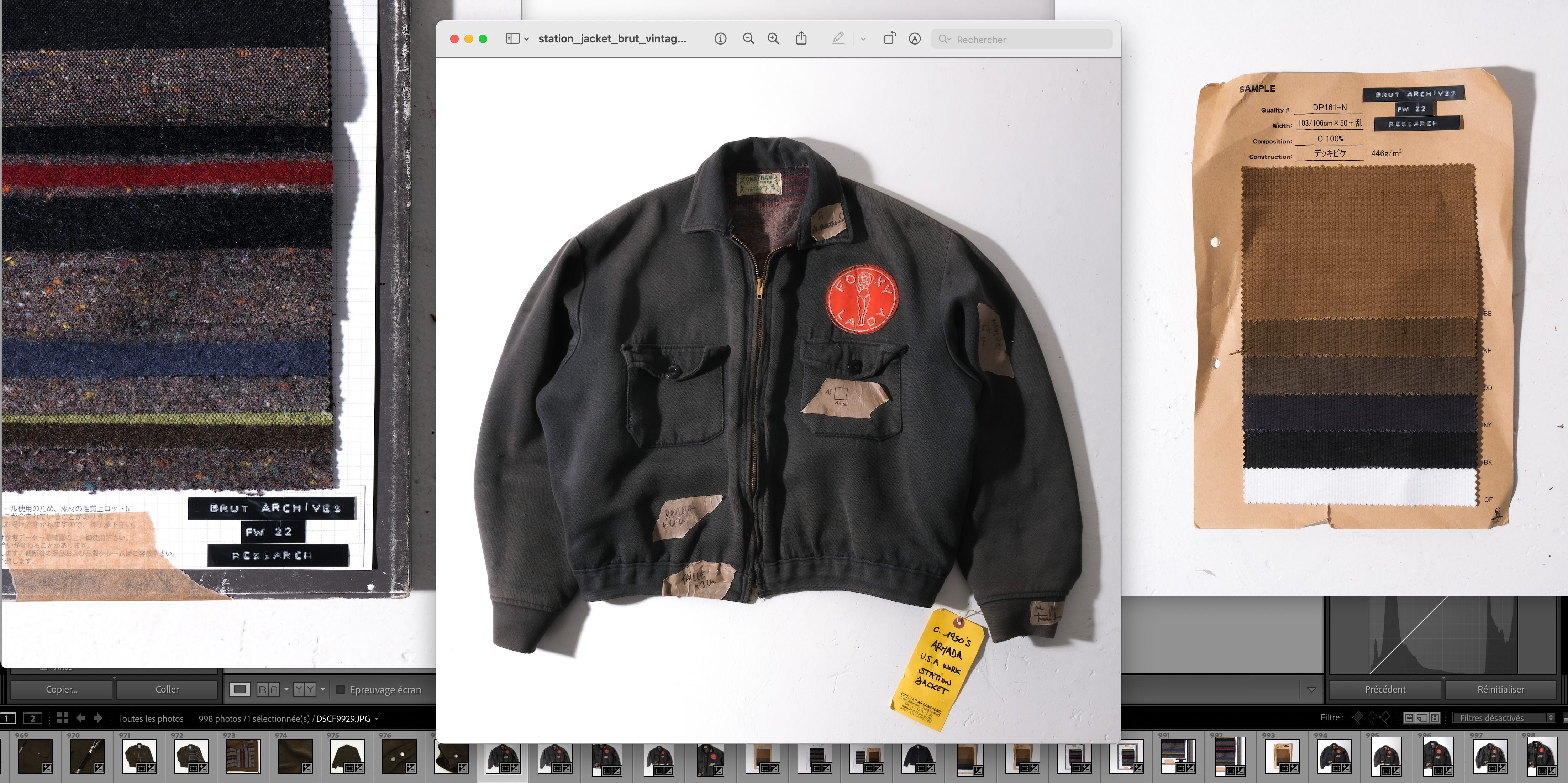
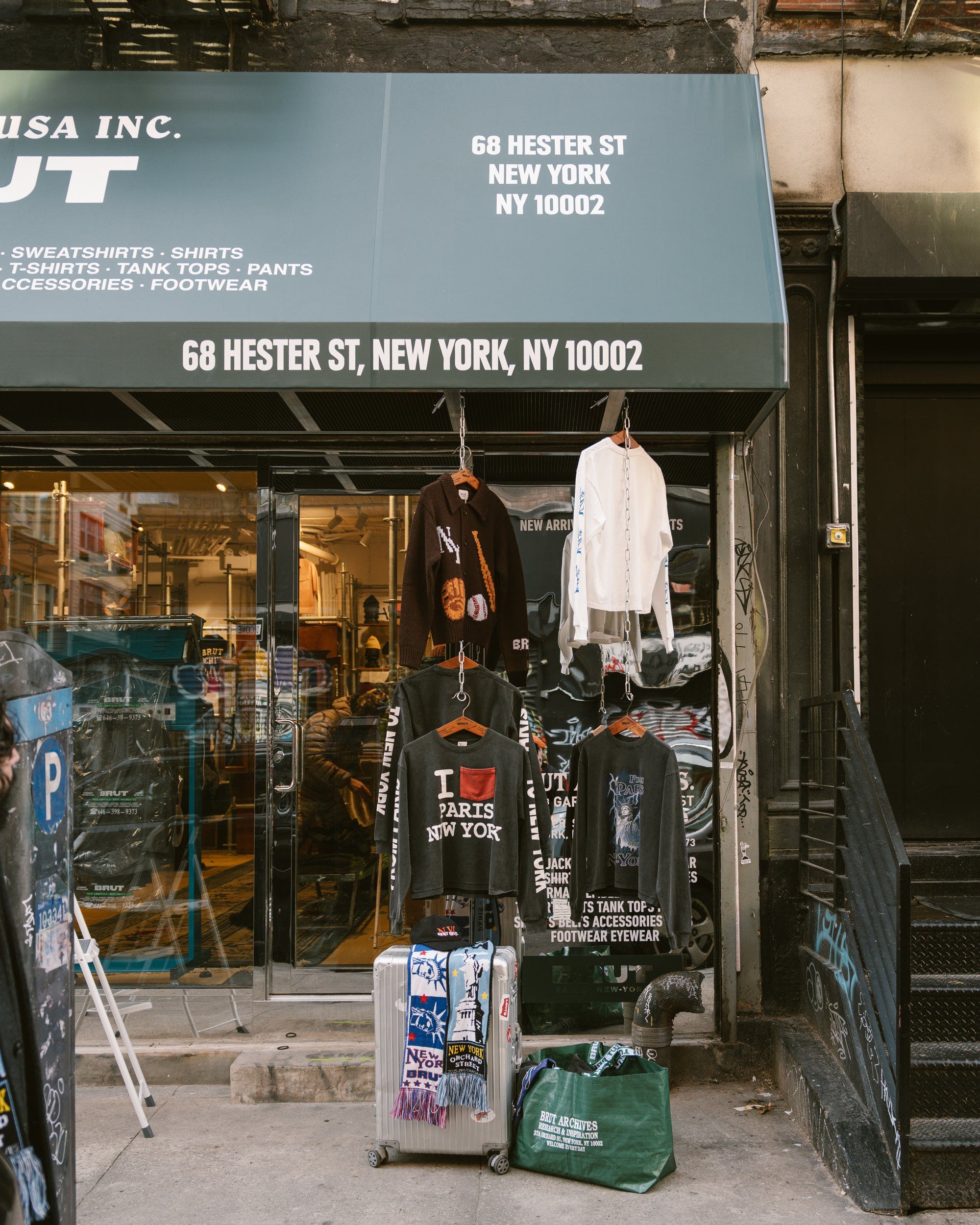
With the brand opening a new flagship in NYC, it felt like the right time for a quick case study.
By appointment only
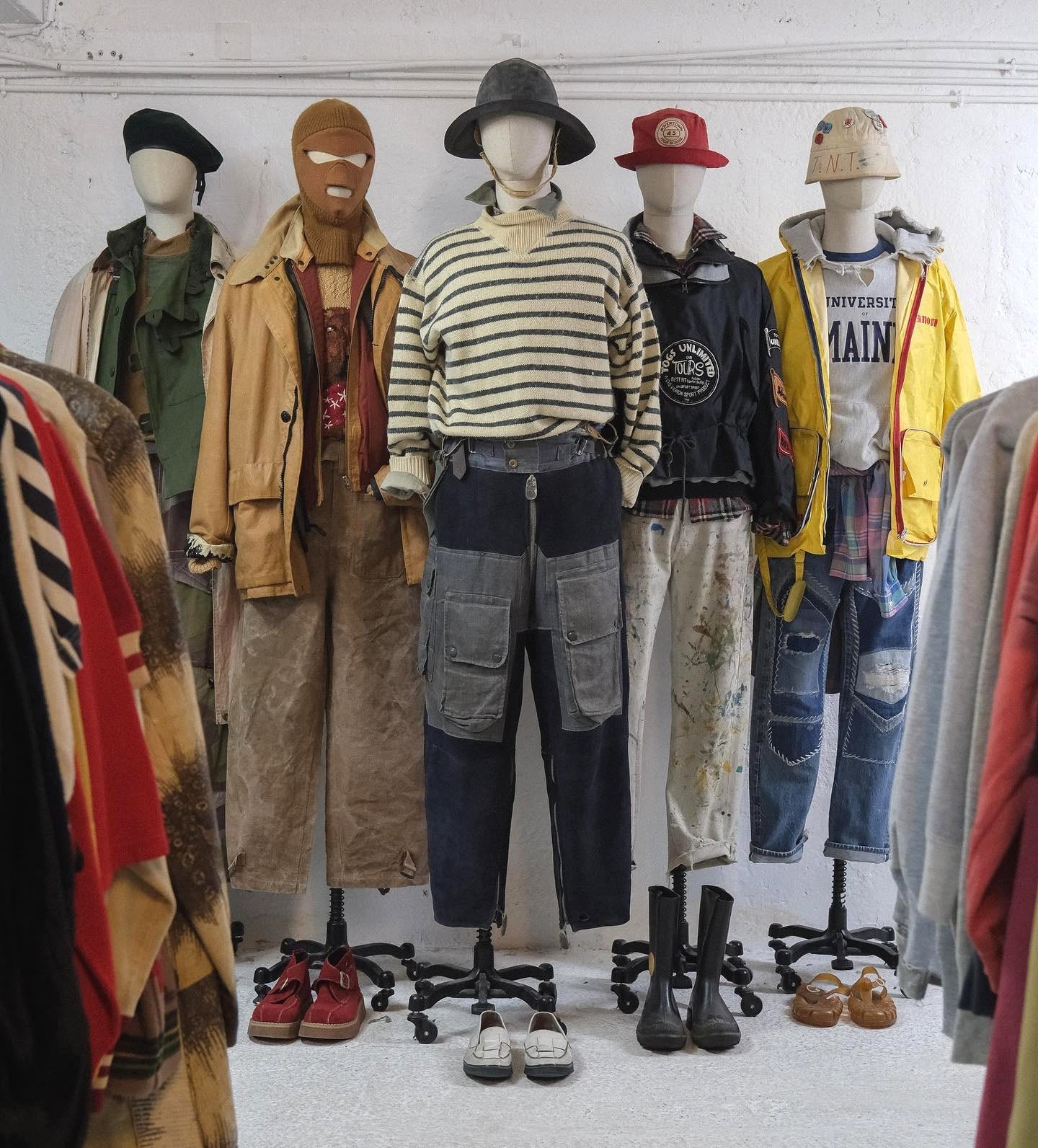
Founded in Paris in 2016 by Paul Ben Chemhoun, Brut “Archives” started precisely as an archive. A private showroom of vintage garments dedicated to industry insiders looking for references while developing their own clothes, from runway to ready-to-wear collections.
Lightning Magazines are cool, but actually having the garment in hand to study sewing, materials, and traditional craftsmanship is even better.
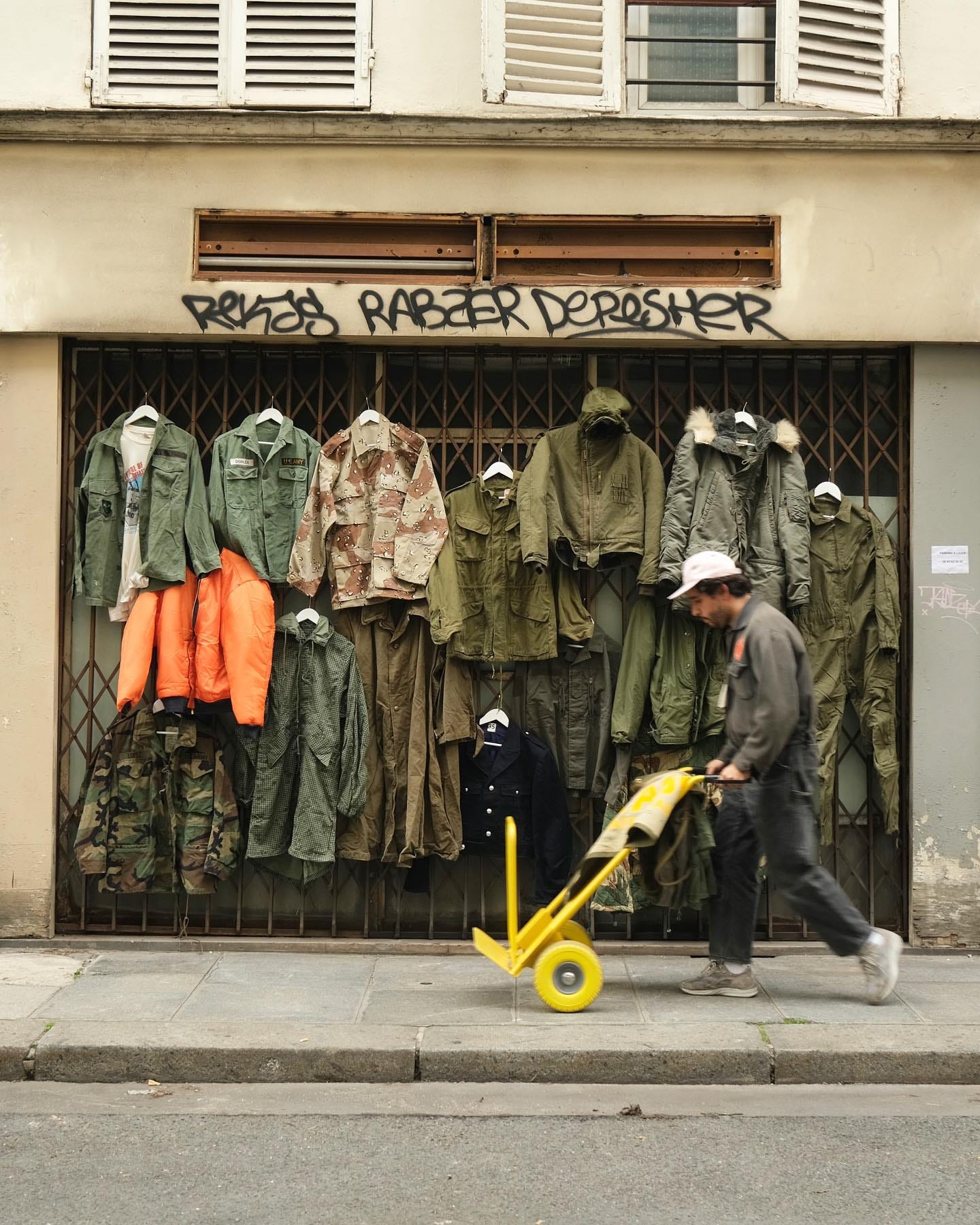
To expand an already extensive private collection, the team spent years digging through army surplus and flea markets around the globe for military clothing, one of the main sources of menswear for its functional and timeless qualities.
At the same time, in addition to the showroom, Brut also runs Universal Surplus, a sister label selling a selection of their best military finds, alongside faithful in-house replicas.
After a few years behind the scenes as an industry research lab, the next step felt only logical. In 2019, Brut opened a store in Paris and launched its own brand, proposing modern reworks of the garments they had collected for years.
Always a student, never a copy
Even if there’s great value in knowing what came before, leaning too hard into WW2 cosplay thanks to the holy trinity of a patinated M65 jacket, dirty chinos, and go-to German army trainers only goes so far.
How do you nod to vintage enthusiasts while staying relevant? How does today reshape historical looks? How do you make this thing from the past feel fresh again?
Eames said “the details are not the details, they make the design”. And it really does come down to tiny margins if a reinterpretation feels better than the original, or like a cheap knock-off that “almost nailed it”. That’s where Brut shines the most to me.
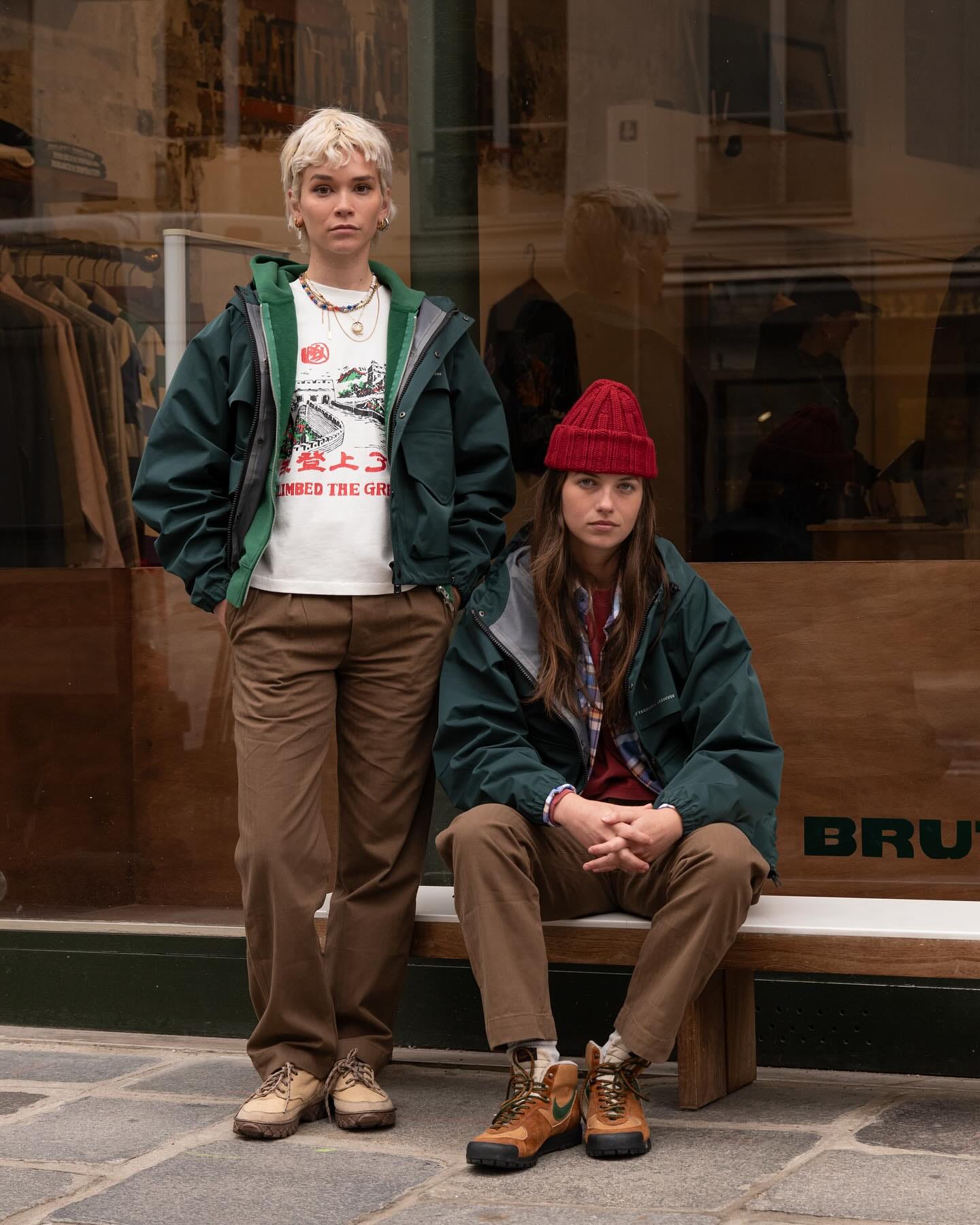
Boxy, cropped proportions that you usually don’t find on military jackets. Freshly printed tees with already cracked graphics that feel like they were legitimately thrifted from the 90s. A wool sweater knitted in a very Harley-Davidson-esque flames pattern.


Brut’s level of digestion often feels close enough to clearly celebrate the reference, yet far enough to avoid feeling dusty. Almost like the Tourist vs. Purist idea, shaped by time.
From Paris to New York
Speaking of tourists, the Parisian label now lands in New York, a full circle that only feels right after a decade spent as one of the most American Parisian clothing spots.
Maybe it’s about getting closer to the original sources of the garments they studied, being part of the lifestyle behind the look, or even bringing some of that Parisian twist back into the New Yorker uniform.
Either way, the move feels like a continuation, as they put it: “from Paris to New York, the same approach remains: garments built through research, references, and time”. The research continues, just in a different place.
This journal is where I collect design, fashion and culture that inspires me. If it sparks something for you, let me know, I’d love to hear your thoughts. Subscribe for free to get the next entry in your inbox. Thanks for reading!
At this point, this is a chinese brand : almost everything is Made in China.
Who wants a shetland sweater made of chinese wool made in china ? What’s shetland about it ?
Lots of chinese brands offer a better quality for a lower price in the repro / hommage / archive universe. Think Bronson MFG.
Lots of japanese brands offer a way way way better product for a little more money. Think The Real McCoy.
Brut is good at marketing, at photography, at visual merchandising. The products are subpar.
As an apparel designer, this really resonates. Archiving isn’t nostalgia, it’s a working tool. Having the physical garment in hand reveals construction logic, tolerances, and decision-making that no image ever could!!