
Creation through curation
Looking back at JJJJound and HIDDEN in the age of slop

As a millennial teen on Tumblr, I sharpened my teeth on taste by tracing things back to their source.
Checking the reblogs of a post would luckily lead to “more of the same”. An image archive on an obscure blog would uncover some rare scanned magazines. A link to a KanyeToThe or r/streetwear thread would point to new brands to check, and so on.
Discovering references was about following trails, and even if I didn’t know the term yet, curation was a way of learning. Now that the word of the year is “slop”, going back to early moodboard figures might feel instructive in how they practiced taste.
The original image trail
In 2006, Montreal designer Justin Saunders launches his personal blog JJJJound as a creative diary. Without any caption or textual content, the blog is an infinite, silent scroll of images in the same minimalistic aesthetic. The longer you stayed, the clearer some logic would emerge from the juxtaposition of clothes, interiors, nudes and muted objects.
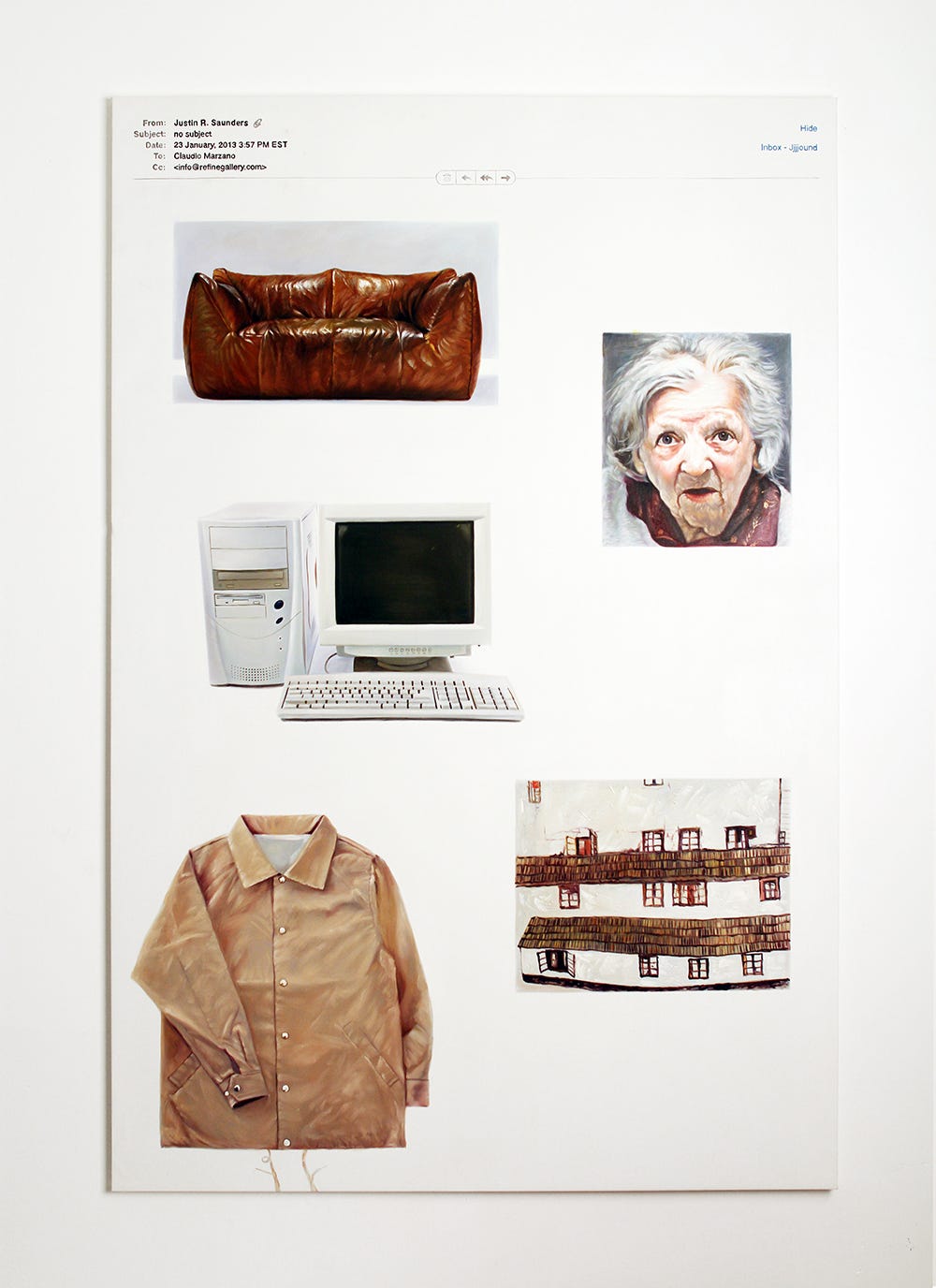
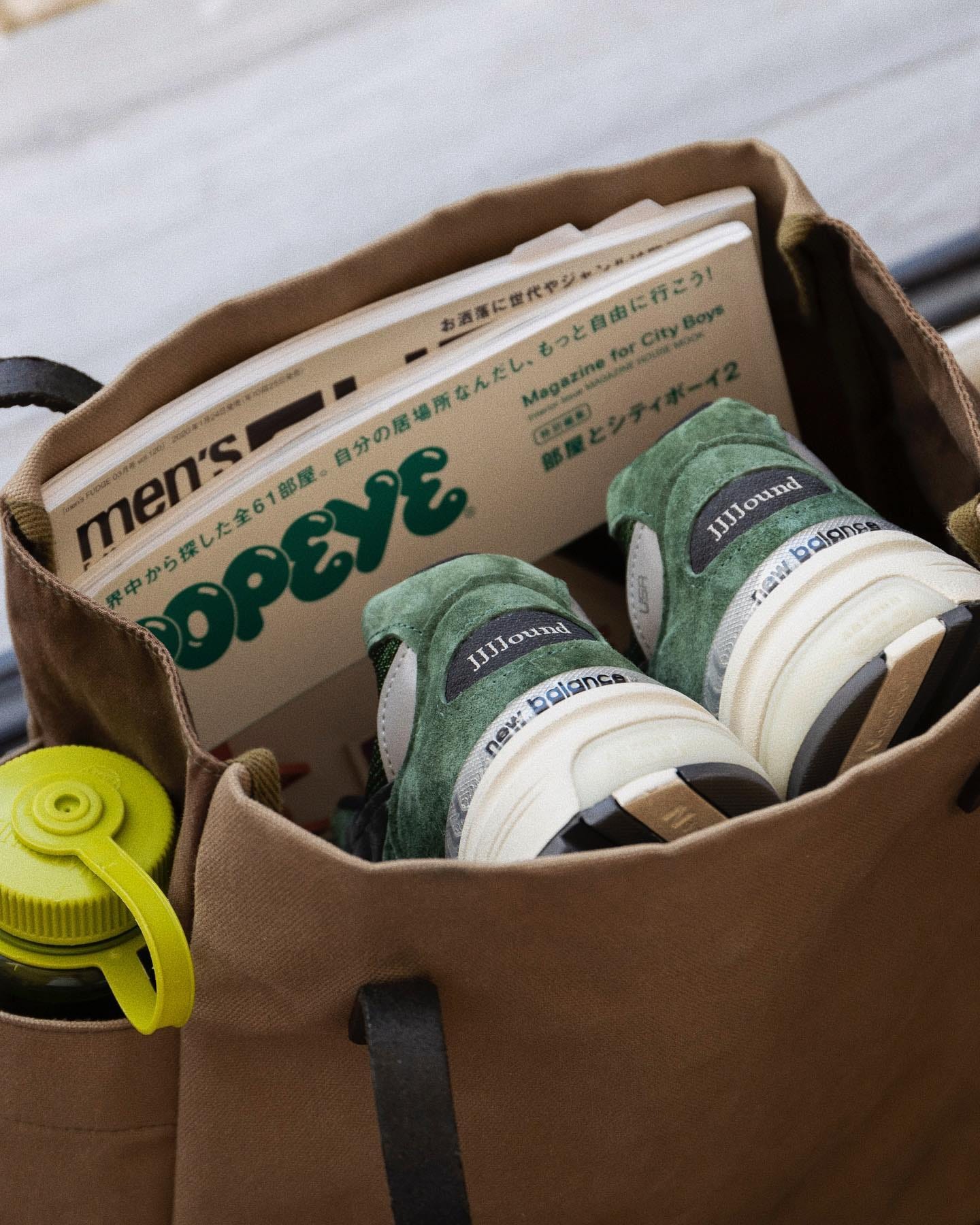
Slowly, the blog became an in-the-know institution and pioneered taste-making on the internet. JJJJound also became a brand and started proposing a line of clothes, objects, and stationery in the purest legacy of the staple references posted on its image library. It caught the attention of many contemporary designers including Virgil Abloh, Matthew M. Williams and Heron Preston. In a 2016 interview, Kanye West would even admit he often asked himself if this or that was “JJJJound-approved”.
Now that we know Pinterest, let alone social platforms, the idea of a silent image scroll might feel underwhelming. But at the time, coining an aesthetic through the quiet and consistent unfolding of taste alone was rare. And without pretending that JJJJound single-handedly shaped the look of an entire generation, it’s hard to ignore its role in streetwear’s recent obsession with mid-century furniture, vintage Braun design, and plain baseball caps.
The moodboard moment
We’re now in 2018, when an anonymous British creative starts gathering references for inspiration under the Instagram handle @hidden.ny. In a very Nigo-esque way, the account bio only reads “Past, Present, Future” while its profile picture shows the storefront of NOWHERE, the Harajuku temple of 90s streetwear and underground creative culture.
Times have changed since JJJJound, and this library isn’t updated once in a while with aesthetically curated sets of matching images, but several times a day, organically following the admin’s findings. Yet, here too, a lively conversation emerges from the grid of vintage sneakers, grailed streetwear pieces, scanned Japanese magazines, and pop culture references. Where JJJJound chose silence and repetition, HIDDEN leaned into accumulation and real-time cultural connections.
And once again, the precise curation caught the attention of major players within the fashion industry. From personal shopping and creative services for artists to meaningful brand collaborations, very real, away-from-the-keyboard opportunities materialized. In 2020, HIDDEN came full circle by collaborating with Billionaire Boys Club, Pharrell and Nigo’s label, after having honored their work on its page so many times.
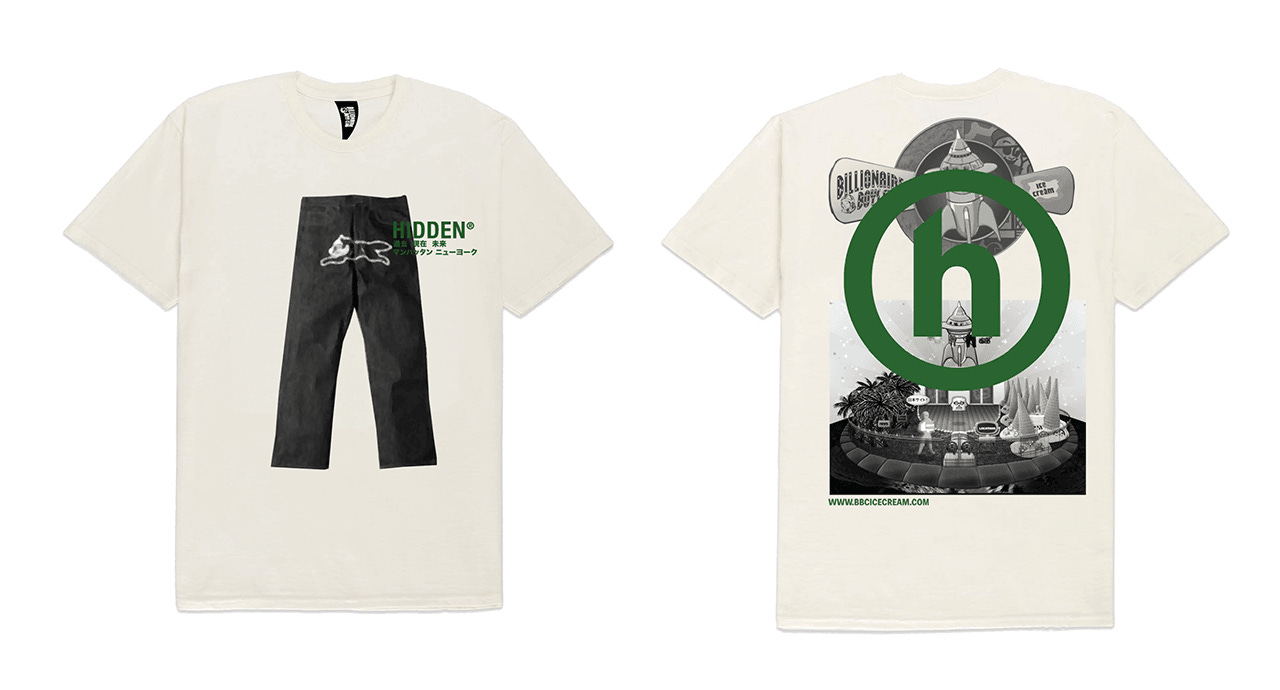
While the admin’s identity remains unknown, the circled H logo became a seal of approval for streetwear enthusiasts around the world thanks to consistent cultural relevance alone.
Building bridges
Being around 18 when I discovered an already established JJJJound, and having witnessed HIDDEN unfold in real-time, I became equally fascinated by both. Having the power to participate in culture thanks to something as intangible as ideas on a webpage always amazed me.
And being somewhat of a Professional Moodboarder™ myself now, reading each and every week that a new smart tool is coming for my job, I still see both as relevant blueprints.
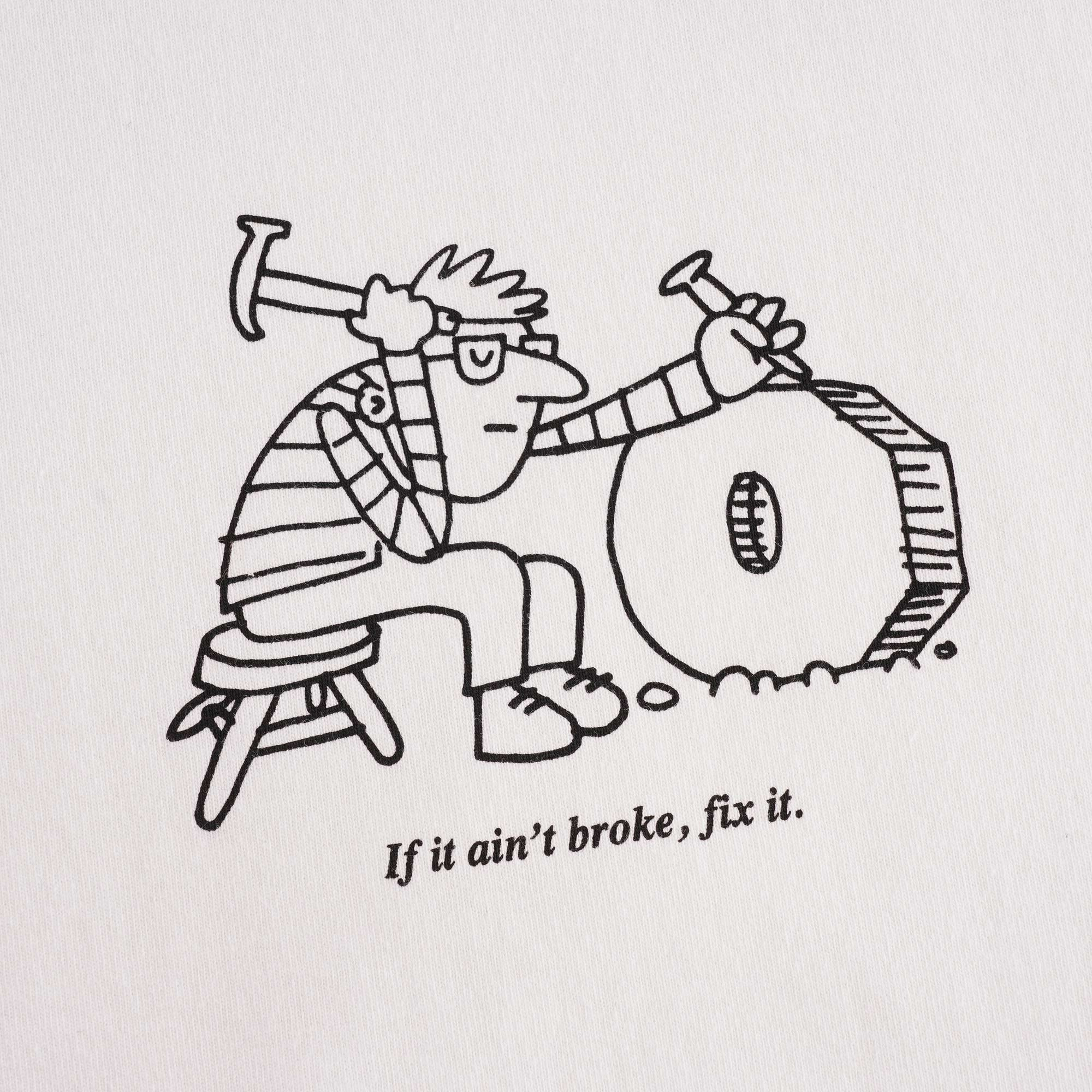
Of course, now, copying aesthetics, accessing “good taste” or finding references seems much easier. But both suggest that what matters in curation could be elsewhere.
At first, neither JJJJound nor HIDDEN really “created” something. Their references were niche, but they weren’t new or exclusive. They “just” consistently organized, connected, and repeated ideas until it felt like something. They created something by making taste legible.
And in the same way older DJs sighed at the sync button on controllers, I’m pretty sure an older creative director surrounded by glossy magazines sighed at the original silent scroll of JJJJound at first. Tools will keep changing, but the value of digging and building bridges between ideas doesn’t seem to be going anywhere. So we might as well enjoy the ride.
This journal is where I collect design, fashion and culture that inspires me. If it sparks something for you, let me know, I’d love to hear your thoughts. Subscribe for free to get the next entry in your inbox. Thanks for reading!
Well written! Curation is one of the most important things when we talk about cultural knowledge. 🪡